Learn about our state-of-the-art pre-clinical models
TRACER Microtumor Atlas
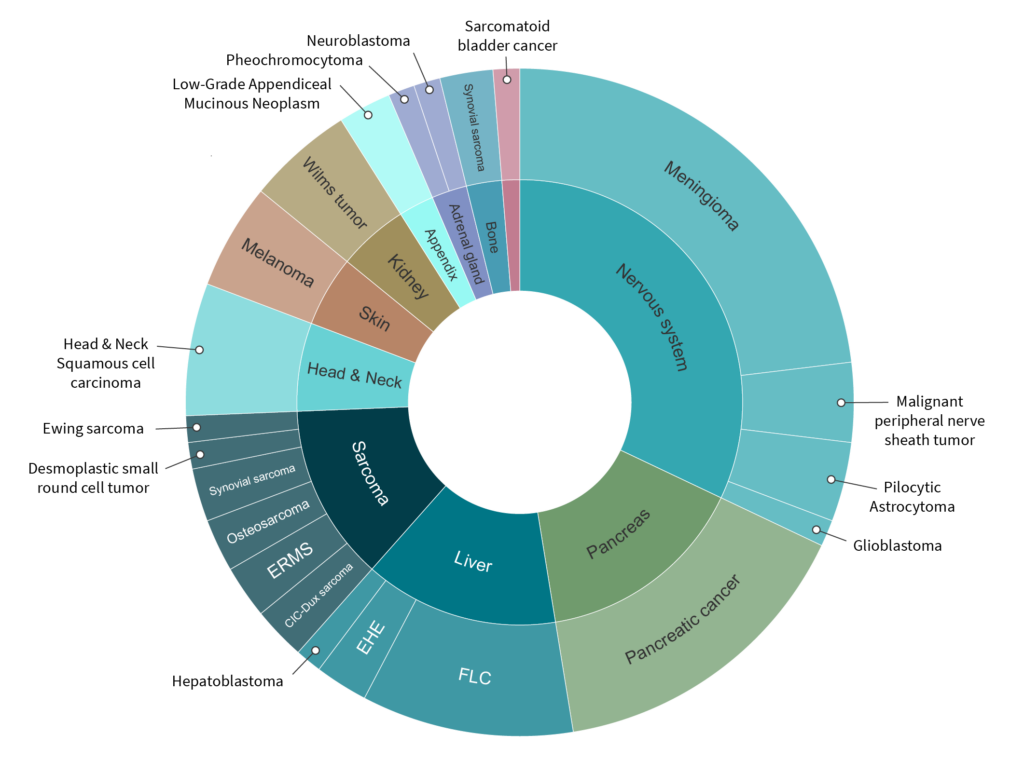
The radar plot shows the breadth of the TRACER microtumor resource, a growing, functionally annotated collection of patient-derived 3D tumor models spanning more than 30 rare and challenging cancer types.
What Are Microtumors?
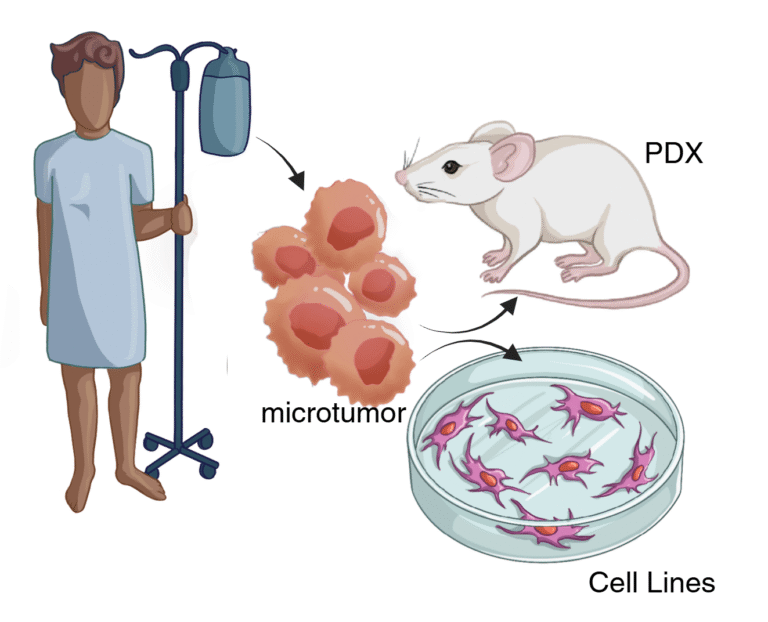
TRACER microtumors are living, 3D tumor fragments generated directly from freshly resected or cryopreserved patient tissue. Unlike conventional 2D cell lines, microtumors retain:
Native tumor architecture
Stromal and immune components
Cell-cell and cell-matrix interactions
Preserved intratumoral heterogeneity
These properties allow microtumors to more faithfully reflect the biology and therapeutic vulnerabilities of a patient’s cancer.
Why Microtumors Matter?
Rare cancers face a fundamental challenge: limited models, limited data, and limited therapeutic options. TRACER microtumors enable:
Functional drug sensitivity testing across hundreds of FDA-approved and investigational agents
Integration with RNA sequencing and multi-omics profiling
Rapid evaluation of drug combinations
Preclinical validation for clinical translation Because microtumors can be generated from small biopsy samples, this platform is particularly powerful for ultra-rare cancers where tissue is scarce and traditional model development is not feasible.
Expanding the Rare Cancer Landscape
The TRACER microtumor program is continuously growing through collaborations with surgeons, oncologists, patient advocates, biobanks, and national rare cancer networks. New tumor types and subtypes are incorporated regularly.
Our goal is simple but ambitious: To make functional precision oncology accessible for patients with rare cancers.